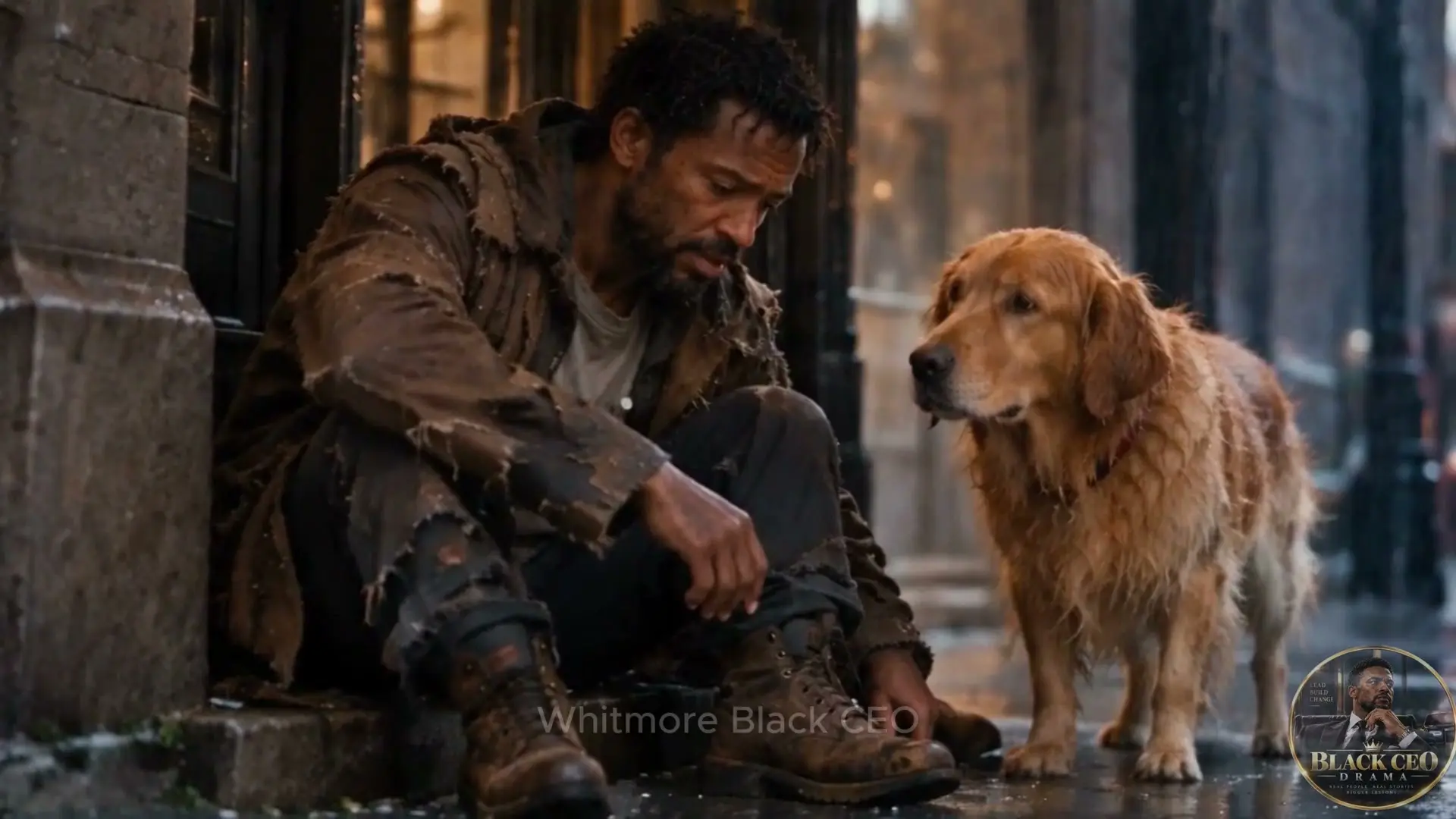
Auction yards have a way of sorting people before a single bid is ever placed.
You can feel it in the sideways glances, the clipped laughter near the coffee table, and the quiet certainty among veterans that an outsider is about to learn an expensive lesson.
When a young Black buyer stepped into that environment and walked away with 50 broken-down tractors for $2,000, the reaction across the lot was immediate.
Dealers chuckled at the purchase, convinced they had just watched someone pay good money to haul away fifty rusted headaches.
To most eyes on that lot, those machines were dead weight.
Their paint had faded under years of sun and rain, their tires sat flat or rotted into the dirt, and their engines refused to turn over.
In the heavy-equipment business, broken iron carries a stigma that scares off casual buyers.
Storage eats into margins, transport costs pile up fast, and a machine that refuses to start is usually treated li,ke scrap metal waiting for a flatbed.
Yet what looked li,ke a pile of worthless steel to seasoned dealers looked very different to a young man willing to get grease under his fingernails.
For $2,000 total—an average of just $40 per tractor—he had acquired an entire fleet of mechanical puzzles waiting to be solved.
That single purchase set the stage for a remarkable turnaround that flipped the laughter on its head and turned a $2,000 gamble into a thriving fortune.
Understanding why those dealers laughed requires understanding how traditional equipment yards operate.
Established dealers thrive on quick turnover, clean trade-ins, and predictable markups.
They want tractors that fire up on the first turn of the key, roll smoothly onto a trailer, and move off the lot with minimal labor.
Time spent diagnosing stubborn fuel lines, seized pistons, or corroded wiring is time taken away from easy sales.
So when fifty non-running tractors were bundled off at rock-bottom prices, the pros saw liabilities rather than inventory.
They also underestimated the young man standing in front of them.
Youth and background often trigger silent assumptions in industries dominated by older, entrenched networks.
Nobody at the auction expected a young Black buyer to have the mechanical patience, resourcefulness, or long-term vision needed to resurrect fifty machines at once.
They assumed the tractors would sit untouched in a field until frustration set in and the whole batch went back to the scrap yard at a loss.
Instead, the work began immediately.
Bringing dead tractors back to life is rarely about magic and almost always about discipline.
Every machine on that lot had a story written in rust, dust, and worn components.
Some needed basic fuel system flushes, fresh batteries, and cleared injectors after sitting idle through changing seasons.
Others demanded deeper mechanical surgery—rebuilt starters, replaced hoses, freed clutches, and hours of careful troubleshooting with wrenches and service manuals.
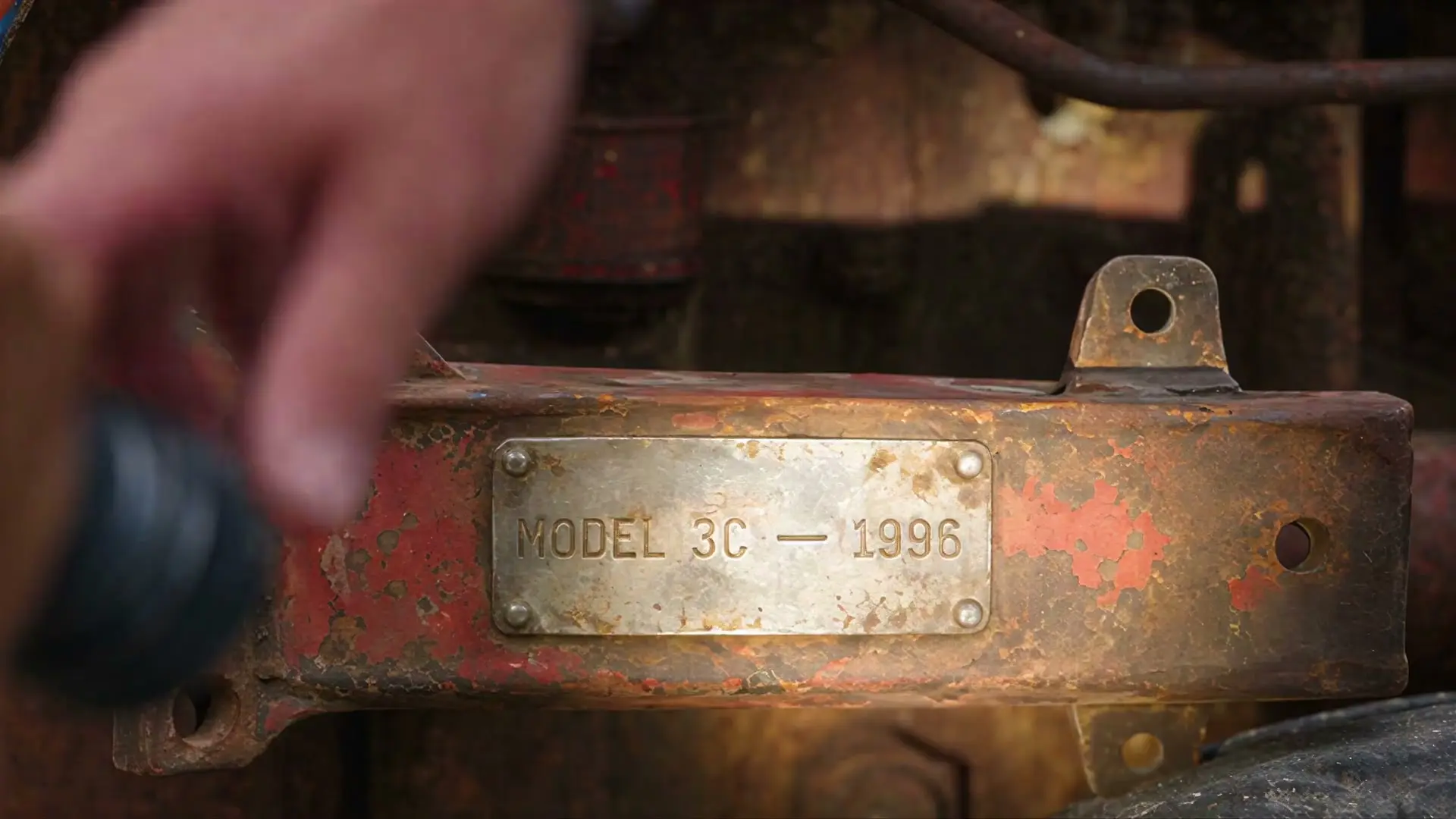
Rather than treating the 50 tractors as an overwhelming mountain, he broke the challenge down machine by machine.
One working tractor created momentum for the next.
Parts salvaged from the worst frames helped revive the strongest candidates, stretching every dollar of that initial $2,000 investment.
Each engine that coughed, sputtered, and finally roared back to life proved that the auction yard had misread both the iron and the buyer.
In agricultural and rural communities, reliable machinery is the backbone of daily survival.
Small farmers, landowners, and local operators rarely care whether a tractor rolled off a showroom floor yesterday.
They care whether it pulls hard, starts reliably in the morning, and fits a working budget without burying them in debt.
A refurbished tractor priced fairly fills a massive gap between overpriced new equipment and unreliable junk.
As the revived machines started hitting the market, word spread faster than any advertisement could.
Buyers saw tractors that had been written off as dead now running strong, freshly serviced, and ready for real field work.
The math behind the transformation was impossible to ignore.
When your entry cost is $2,000 across 50 machines, sweat equity becomes the most powerful multiplier in business.
Every completed restoration turned a $40 piece of forgotten metal into a functional asset worth thousands of dollars on the open market.
One sale funded better tools, replacement parts, and smoother logistics.
Ten sales built serious capital.
By the time dozens of those once-dead tractors were back in operation, the margins were undeniable.
What had started as an auction-lot punchline had grown into a full-fledged, high-profit operation built from the ground up.
The same dealers who once laughed at the $2,000 purchase were forced to look at the results in silence.
In industries built on reputation, nothing commands respect quite li,ke proof sitting on four working tires.
Beyond the financial windfall, the story resonates because it exposes how easily experience can turn into blind spots.
The veterans on that lot knew the price of everything in their yard, yet they missed the value standing right in front of them.
They looked at 50 broken tractors and saw trouble, while a young buyer looked at the exact same lot and saw opportunity waiting for someone willing to outwork everyone else.
Success in this business did not come from insider connections, inherited dealerships, or easy credit.
It came from spotting value where others saw waste, betting $2,000 on his own ability to solve problems, and refusing to quit until fifty silent engines were running again.
The next time an outsider walks onto an auction lot and places a bid nobody else wants, the smart money will think twice before laughing.
Watch full video here: